

This post may contain affiliate links, which means I may earn a small commission from purchased products at no additional cost to you. See my full disclosure here.
Have you heard about sensory activities like sensory boxes, but aren’t sure what it’s all about or how to do it? Read on as teacher and Behavior Analyst Holly shares easy ways to incorporate these sensory activities in your children’s ministry!
Bring The 5 Senses Alive
What does sensory mean? Terms like ‘sensory’, ‘sensory activities’, or ‘sensory boxes’ describe activities that provide sensory input to any of the five senses: taste, smell, touch, sight, or hearing. Many of the sensory items or activities we think about first include things like Play-Doh or silly putty.
Sensory Items Or Activities Also Include:
- Toys that light up
- Music
- Scented markers
- Fabric
- Shaving cream
While some people are ‘sensory seeking’, meaning they look for items or activities they like to taste, smell, touch, hear, or see, others are ‘sensory defensive’ and avoid certain items or activities that don’t make their senses feel good. Some people avoid certain foods or textures, bright lights, or loud noises.
For activity ideas that incorporate our senses in different activities, read: Turn Summer Camp Into 6 Weeks Of Sunday School
Why ‘Sensory’ Is Important In Children’s Ministry
It is more and more common to have children in our ministries who have sensory needs, like children who have been diagnosed with autism or ADHD. Children without any special needs or diagnoses can also enjoy and benefit from sensory activities because they can be exciting, fun, and engaging! We also have to keep in mind that while any child can enjoy or benefit from sensory items or activities, any child can be defensive to sensory items or activities.
For a good read on building a sensory room: 3 Steps To A Sensory Room For Your Small Church
Benefits To Include Sensory Items Or Activities
Access to sensory items or activities can help all children in your ministry.
These items are able to:
- Motivate
- Sooth
- Engage
Some children may need access to sensory items to help themselves remain calm emotionally or physically, or they may need access to them to fulfill a need. For example, some children that have been diagnosed with autism may feel a need to chew something, and access to appropriate sensory items can fulfill this need safely. Some children with ADHD may need access to sensory items or activities in order to help themselves fulfill the need to move around.
In addition to fulfilling the needs of some children, sensory activities can also just be plain fun and help engage children in a lesson! For example, if children know they get to finger paint, play with Play-Doh, or color with scented markers, it can make them excited for what is to come!
How To Include Sensory Items Or Activities
There are some easy ways to make your classroom sensory-friendly!
Include items or activities as a part of your lesson.
- Paint a picture from your Bible story.
- Use Play-Doh to build characters from the lesson.
- Ask questions from the lesson and let children write their answers with their fingers in shaving cream.
- Play a game that lets children move around and change positions.
- Include music in your lesson.
- Let children sample food that correlates with your lesson.
Create Sensory Boxes For Themed Activities
Use sensory boxes! These are boxes that contain items for a themed sensory activity like an ocean, construction, dinosaurs, space, etc. You can buy them at craft stores, on Amazon, or you can make your own from items from Dollar Tree!
- Dry rice, beans, or pasta are great to put in a box with scoops for children to play with (as long as children are monitored, or old enough not to put items in their mouth).
- Make a Noah’s Ark sensory box with blue marbles, a toy boat, and plastic animals.
- Make a creation day 4 sensory box with black beans and gold/silver gems for stars.
Keep These Handy For Sensory Seeker Children
- Play-Doh
- Kinetic sand
- Seat cushions
- Stress balls
- Exercise bands
- Fidget spinners
- Pop its
- Slinkies and spring toys
- Fidget Party Pack
Protect Children And Their Sensory Defensiveness
Protect sensory defensiveness. Get to know your children and what they are sensitive to. You may need to keep lights dim or avoid turning out lights when watching a movie. Keep music at a lower volume, or let them opt out of a messy activity if they don’t like things to stick to their hands. Have another snack or food option if they avoid certain textures of food.
The Takeaway For Using Sensory Items
Sensory activities can help ALL children in one way or another and are an easy way to make your children’s ministry fun and effective!
If you have questions, find me in the Creative Solutions for Small Churches Facebook community!
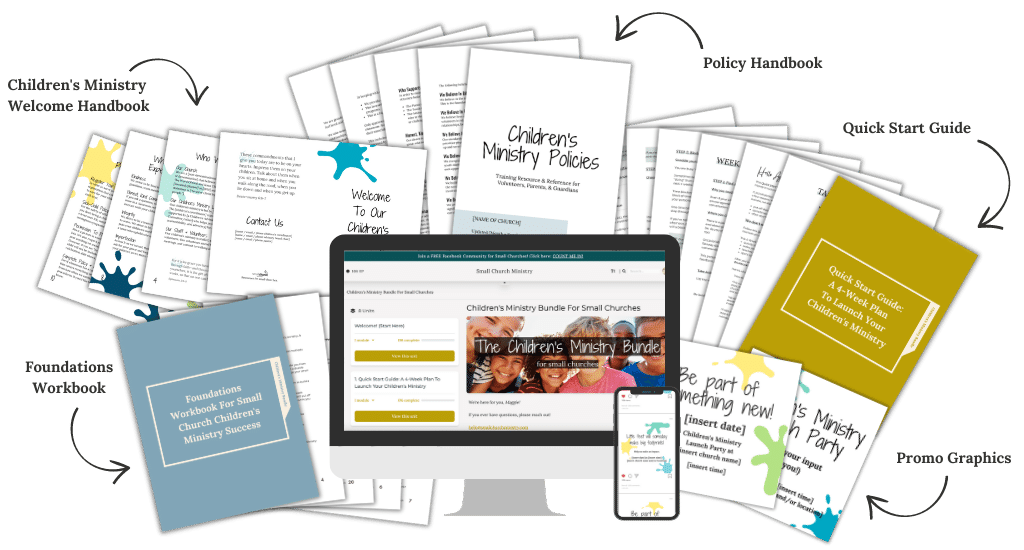
Looking for a step-by-step guide to starting or restarting your children’s ministry?
Check out the Children’s Ministry Bundle For Small Churches!
Read More
How To Engage Kids Using Worship Bags

